
There is a quiet revolution happening in the pockets of a select few. Tired of the endless notifications, the fragile glass screens, and the homogenised look of modern smartphones, a growing community of digital minimalists and retro tech collectors is turning back the clock. They are searching for something that the modern flagship has largely forgotten: the joy of tactility. For them, a phone is not just a portal to the internet; it is an object to be held, clicked, and savoured. And in this nostalgic pursuit, few devices encapsulate the era of 'dumb phones' with smart intentions quite like the LG KU250.
Released during a fascinating transitional period in mobile history, the LG KU250 represents a time when manufacturers were experimenting with the future (3G video calling) while still mastering the past (the perfect keypad). This article is an exploration of that device, its place in the collector's market, and why it serves as the perfect antidote to the minimalist burnout of the 2020s.
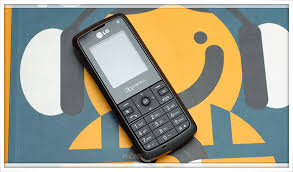
Before the world became obsessed with eliminating bezels, it was obsessed with the perfect button. The LG KU250 is a masterclass in haptic feedback. Picking one up today, after years of tapping on flat glass, is a revelation. The keypad offers a resistance that is firm yet forgiving; each press provides a definitive "click" that confirms your input without requiring the forceful jab of older industrial mobiles.
For the digital collector, this is the primary draw. The LG KU250 was designed for one-handed use, a concept that now feels almost radical. Your thumb glides across the ridged navigation keys, finding the central select button by feel alone. The dedicated shortcut keys flanking the D-pad allow for instant access to your favourite functions without diving into menus. This is intuitive design based on muscle memory, not visual cues. In a world where we stare at screens for sixteen hours a day, the ability to operate a device by touch alone—to dial a number or change a track without looking—is a form of luxury. The LG KU250 offers that luxury in spades.
What makes the LG KU250 particularly interesting to collectors is its historical context. It arrived at a time when 3G was still a novelty. Owning an LG KU250 meant you were ready for the future. The most visible sign of this forward-thinking design was the inclusion of a secondary camera on the front. In an era where selfies were not yet a cultural phenomenon, this lens was dedicated to one purpose: video telephony.
While video calling is now ubiquitous via WhatsApp and FaceTime, in 2007, it felt like science fiction. The LG KU250 democratised this experience, putting a dual-camera setup into a package that was affordable and accessible. For the collector, this specific feature is a time capsule. It represents the hopes and dreams of the early mobile internet era. The small, utilitarian front camera lacks the resolution for a modern Instagram story, but it perfectly captures the utilitarian spirit of the time. It is a reminder that the features we take for granted today once required dedicated hardware and a specific vision of the future. Adding an LG KU250 to a collection is not just about owning a phone; it is about owning a piece of telecommunications history.
Perhaps the most compelling reason to seek out an LG KU250 today is its potential as a tool for digital wellness. The minimalist movement is not about owning less for the sake of it; it is about removing distractions to focus on what matters. A modern smartphone is a casino, a cinema, a shopping mall, and a workplace all rolled into one. The LG KU250 is just a phone.
With its modest 1.7-inch display, the LG KU250 is incapable of facilitating doom-scrolling. It offers calls, texts, a basic music player, and a simple web browser that feels archaic by modern standards. For someone looking to disconnect, this is paradise. It retains the essential communication tools while stripping away the addictive algorithms. Furthermore, its support for microSD cards means it can function as a dedicated MP3 player, allowing you to enjoy your music library without the interruptions of a modern operating system. The lightweight plastic construction, often criticised in the past, now feels liberatingly light compared to the heavy glass slabs we carry today. It slips into a pocket almost unnoticed, ready when you need it, invisible when you don't.
As the nostalgia for the 2000s grows, the secondary market for devices like the LG KU250 has become surprisingly vibrant. Unlike rare supercars or vintage watches, the entry point for acquiring this piece of mobile history remains remarkably low, though this is gradually changing as clean units become harder to find.
The LG KU250 price second hand market is driven by condition and completeness. Collectors are not just looking for a working device; they are searching for time capsules. Units that still bear the original factory screen protectors, come with the original box, or include the rarely-seen manuals command a premium. The build quality of the era means that many LG KU250 units have survived the years, though finding one with a healthy original battery can be a challenge, as lithium-ion cells degrade over time.
For the collector, the value lies in the aesthetic. The black, minimalist facade of the LG KU250 is timeless. It doesn't scream for attention; it simply exists as a well-designed tool. In a display case alongside other vintage LG phones models, it stands out for its balance of features and restraint. It wasn't the most expensive phone of its year, nor the most powerful, but it was arguably one of the most balanced. This equilibrium makes it a cornerstone for anyone curating a collection focused on the evolution of the mobile phone from tool to lifestyle accessory.
Of course, adopting a device like the LG KU250 in the modern era comes with its quirks. The first challenge any new owner will face is the LG KU250 battery replacement hunt. Unlike modern sealed units, the KU250’s cover pops off easily, allowing for a simple swap, provided you can find a compatible cell that hasn't been sitting on a warehouse shelf for a decade.
Then there is the process of loading it with content. The absence of cloud services means you must engage in the ritual of transferring music to LG KU250 via USB or Bluetooth. It is a slower process, but for the minimalist, this friction is the point. It encourages curation. You don't sync your entire library of thousands of songs; you pick the albums you truly love. You set a wallpaper that matters, not a rotating feed of stock images. Using the LG KU250 forces you to be intentional with your technology. It asks you to slow down, to press buttons with purpose, and to engage with the person on the other end of the line rather than the infinite content in your pocket.
The LG KU250 is far more than a relic. It is a statement. In a world obsessed with the next big thing, looking back at a device like this reminds us of the path not taken. It represents a fork in the road where phones could have remained utilitarian tools, focusing on build quality and core function. For the UK collector, it offers a tangible link to the dawn of the 3G era. For the burnt-out smartphone user, it offers a lifeline to a simpler time.
Whether you are drawn to it for its historical significance as a 3G pioneer, its beautifully responsive keyboard, or its potential to serve as a weekend digital detox device, the LG KU250 has a unique magic. It proves that good design is timeless, and that sometimes, the most advanced technology you can own is the one that helps you switch off.
