
Dell
-
5250mAh/42WH J0PGR Replacement Battery for Dell Latitude 12 5285
The 5250mAh/42WH Dell J0PGR Laptop Battery is specially designed as a high-quality replacement battery for Dell Latitude 12 5285. With stable performance, long-lasting power capacity, and excellent compatibility, this Dell J0PGR battery helps restore your equipment’s mobility and extends its daily working time. It is an ideal choice for users who need to replace an aging or damaged battery while keeping their Dell Latitude 12 5285 running efficiently.
5250mAh/42WH J0PGR Replacement Battery for Dell Latitude 12 5285
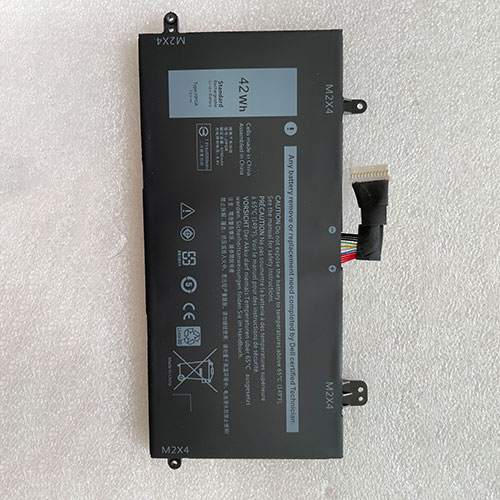 Product SpecificationsBrand: Laptop Battery for DellBattery Type: Li-ionBattery Voltage: 7.6VBattery Capacity: 5250mAh/42WHWarranty: 30 Days Money Back, 1 Year Warranty.Over 500-800 times of charge and discharge.Compatible Part Numbers:J0PGRCompatible Models:Dell Latitude 12 5285Important Usage Tips and Safety PrecautionsFor safe and effective operation of the 5250mAh/42WH Dell J0PGR Laptop Battery for Dell Latitude 12 5285, please consider the following precautions:Do not expose the battery to water, moisture, or extreme heat.Do not disassemble, modify, or damage the battery, as this may cause safety risks.Avoid using damaged charging cables or incompatible adapters.If the Dell J0PGR battery becomes swollen, overheated, or shows unusual performance, stop using it immediately and seek professional assistance.Allow the Dell J0PGR battery to complete several normal charge and discharge cycles after installation to help achieve optimal performance. A Reliable Power Solution for Your Dell Latitude 12 5285.How to Properly Maintain Your Dell J0PGR Laptop BatteryTo maximize the lifespan and performance of your Dell J0PGR Laptop Battery, following proper maintenance habits is important:Avoid frequent full discharge: Try to recharge the battery before it completely runs out of power. Keeping the Dell J0PGR battery level between approximately 20% and 80% can help reduce battery stress.Use the correct charger: Always use a compatible charger with the correct voltage and specifications to ensure safe and efficient charging.Keep the battery temperature controlled: Excessive heat can affect Dell J0PGR battery performance and lifespan. Avoid using your equipment on soft surfaces that block ventilation, and keep the device away from high-temperature environments.Charge regularly during storage: If you do not use your equipment for an extended period, charge the battery to around 40%-60% and store it in a cool, dry place.Maintain clean connections: Keep the Dell J0PGR battery contacts and equipment interior free from dust to ensure stable power transmission.A Reliable Power Solution for Your Dell Latitude 12 5285The 5250mAh/42WH Dell J0PGR Laptop Battery for Dell Latitude 12 5285 combines dependable power, convenient installation, and long-term usability. With proper care and responsible usage, this replacement battery can help extend your laptop’s service life and provide a more stable mobile computing experience.Choose a quality replacement battery for Dell J0PGR to bring your Dell Latitude 12 5285 back to its full potential and enjoy reliable performance wherever you go.
PR
-
4255mAh/51Wh 266J9 Replacement Battery for Dell G3 15 3590 15PR-1648BR 15PR-1742BR 15PR-1745W
The 4255mAh/51Wh Dell 266J9 Laptop Battery is specially designed as a high-quality replacement battery for Dell G3 15 3590 15PR-1648BR 15PR-1742BR 15PR-1745W. With stable performance, long-lasting power capacity, and excellent compatibility, this Dell 266J9 battery helps restore your equipment’s mobility and extends its daily working time. It is an ideal choice for users who need to replace an aging or damaged battery while keeping their Dell G3 15 3590 15PR-1648BR 15PR-1742BR 15PR-1745W running efficiently.
4255mAh/51Wh 266J9 Replacement Battery for Dell G3 15 3590 15PR-1648BR 15PR-1742BR 15PR-1745W
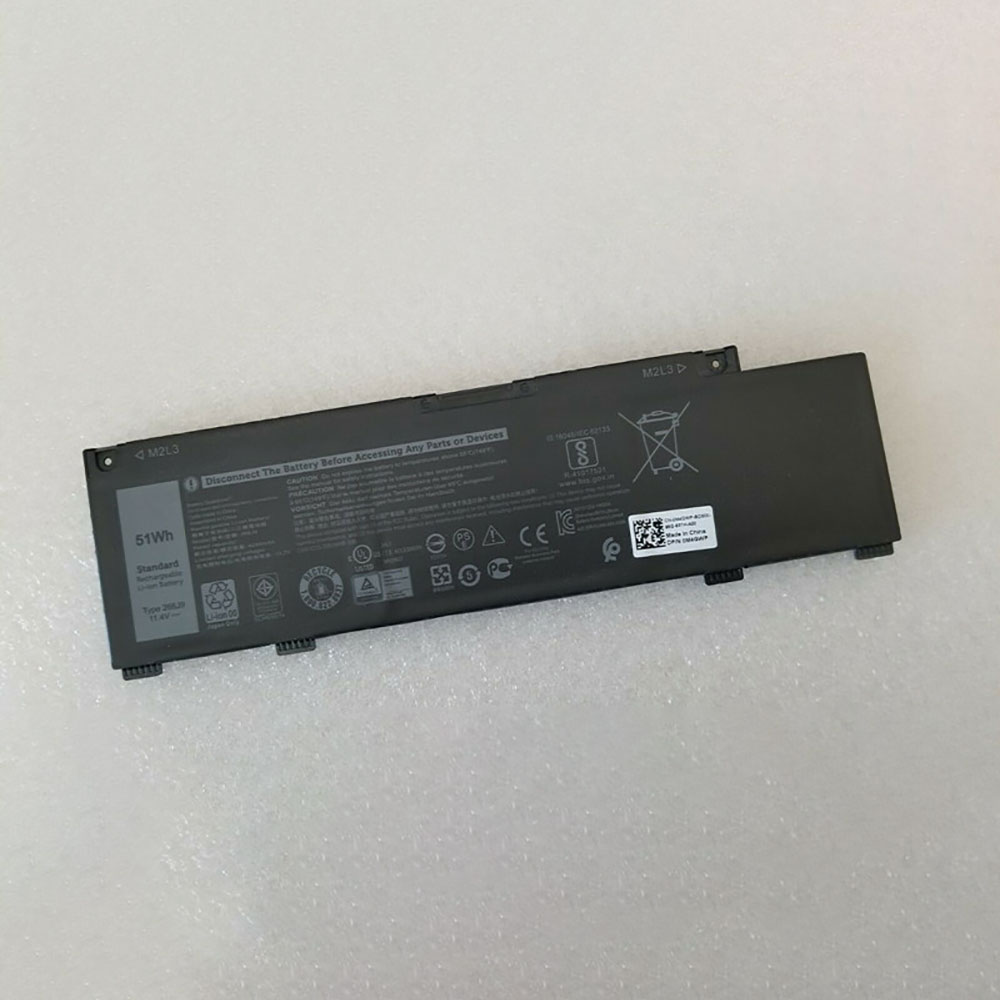 Product SpecificationsBrand: Laptop Battery for DellBattery Type: Li-ionBattery Voltage: 11.4V/13.2VBattery Capacity: 4255mAh/51WhWarranty: 30 Days Money Back, 1 Year Warranty.Over 500-800 times of charge and discharge.Compatible Part Numbers:266J9Compatible Models:Dell G3 15 3590 Ins 15PR-1545W 1548BR 1645W 1648BR 1742BR 1742W 1748BRImportant Usage Tips and Safety PrecautionsFor safe and effective operation of the 4255mAh/51Wh Dell 266J9 Laptop Battery for Dell G3 15 3590 15PR-1648BR 15PR-1742BR 15PR-1745W, please consider the following precautions:Do not expose the battery to water, moisture, or extreme heat.Do not disassemble, modify, or damage the battery, as this may cause safety risks.Avoid using damaged charging cables or incompatible adapters.If the Dell 266J9 battery becomes swollen, overheated, or shows unusual performance, stop using it immediately and seek professional assistance.Allow the Dell 266J9 battery to complete several normal charge and discharge cycles after installation to help achieve optimal performance. A Reliable Power Solution for Your Dell G3 15 3590 15PR-1648BR 15PR-1742BR 15PR-1745W.How to Properly Maintain Your Dell 266J9 Laptop BatteryTo maximize the lifespan and performance of your Dell 266J9 Laptop Battery, following proper maintenance habits is important:Avoid frequent full discharge: Try to recharge the battery before it completely runs out of power. Keeping the Dell 266J9 battery level between approximately 20% and 80% can help reduce battery stress.Use the correct charger: Always use a compatible charger with the correct voltage and specifications to ensure safe and efficient charging.Keep the battery temperature controlled: Excessive heat can affect Dell 266J9 battery performance and lifespan. Avoid using your equipment on soft surfaces that block ventilation, and keep the device away from high-temperature environments.Charge regularly during storage: If you do not use your equipment for an extended period, charge the battery to around 40%-60% and store it in a cool, dry place.Maintain clean connections: Keep the Dell 266J9 battery contacts and equipment interior free from dust to ensure stable power transmission.A Reliable Power Solution for Your Dell G3 15 3590 15PR-1648BR 15PR-1742BR 15PR-1745WThe 4255mAh/51Wh Dell 266J9 Laptop Battery for Dell G3 15 3590 15PR-1648BR 15PR-1742BR 15PR-1745W combines dependable power, convenient installation, and long-term usability. With proper care and responsible usage, this replacement battery can help extend your laptop’s service life and provide a more stable mobile computing experience.Choose a quality replacement battery for Dell 266J9 to bring your Dell G3 15 3590 15PR-1648BR 15PR-1742BR 15PR-1745W back to its full potential and enjoy reliable performance wherever you go.
-
3500mAh/28WH NXX33 Replacement Battery for Dell Inspiron 11 3195 MJMVV 0020K1
The 3500mAh/28WH Dell NXX33 Laptop Battery is specially designed as a high-quality replacement battery for Dell Inspiron 11 3195 MJMVV 0020K1. With stable performance, long-lasting power capacity, and excellent compatibility, this Dell NXX33 battery helps restore your equipment’s mobility and extends its daily working time. It is an ideal choice for users who need to replace an aging or damaged battery while keeping their Dell Inspiron 11 3195 MJMVV 0020K1 running efficiently.
3500mAh/28WH NXX33 Replacement Battery for Dell Inspiron 11 3195 MJMVV 0020K1
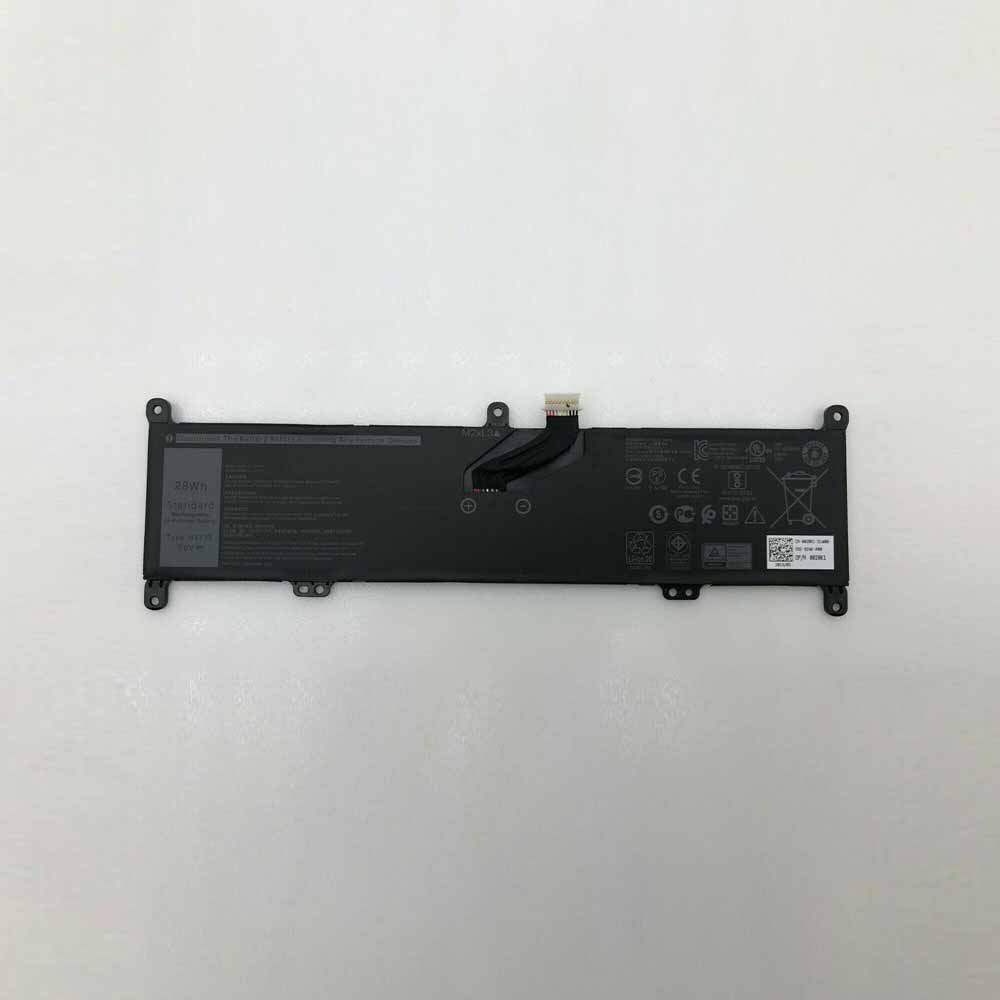 Product SpecificationsBrand: Laptop Battery for DellBattery Type: Li-ionBattery Voltage: 7.6V/8.8VBattery Capacity: 3500mAh/28WHWarranty: 30 Days Money Back, 1 Year Warranty.Over 500-800 times of charge and discharge.Compatible Part Numbers:NXX33Compatible Models:Dell Inspiron 11 3195 MJMVV 0020K1Dell Inspiron 3195 2-in-1 Chromebook NotebookImportant Usage Tips and Safety PrecautionsFor safe and effective operation of the 3500mAh/28WH Dell NXX33 Laptop Battery for Dell Inspiron 11 3195 MJMVV 0020K1, please consider the following precautions:Do not expose the battery to water, moisture, or extreme heat.Do not disassemble, modify, or damage the battery, as this may cause safety risks.Avoid using damaged charging cables or incompatible adapters.If the Dell NXX33 battery becomes swollen, overheated, or shows unusual performance, stop using it immediately and seek professional assistance.Allow the Dell NXX33 battery to complete several normal charge and discharge cycles after installation to help achieve optimal performance. A Reliable Power Solution for Your Dell Inspiron 11 3195 MJMVV 0020K1.How to Properly Maintain Your Dell NXX33 Laptop BatteryTo maximize the lifespan and performance of your Dell NXX33 Laptop Battery, following proper maintenance habits is important:Avoid frequent full discharge: Try to recharge the battery before it completely runs out of power. Keeping the Dell NXX33 battery level between approximately 20% and 80% can help reduce battery stress.Use the correct charger: Always use a compatible charger with the correct voltage and specifications to ensure safe and efficient charging.Keep the battery temperature controlled: Excessive heat can affect Dell NXX33 battery performance and lifespan. Avoid using your equipment on soft surfaces that block ventilation, and keep the device away from high-temperature environments.Charge regularly during storage: If you do not use your equipment for an extended period, charge the battery to around 40%-60% and store it in a cool, dry place.Maintain clean connections: Keep the Dell NXX33 battery contacts and equipment interior free from dust to ensure stable power transmission.A Reliable Power Solution for Your Dell Inspiron 11 3195 MJMVV 0020K1The 3500mAh/28WH Dell NXX33 Laptop Battery for Dell Inspiron 11 3195 MJMVV 0020K1 combines dependable power, convenient installation, and long-term usability. With proper care and responsible usage, this replacement battery can help extend your laptop’s service life and provide a more stable mobile computing experience.Choose a quality replacement battery for Dell NXX33 to bring your Dell Inspiron 11 3195 MJMVV 0020K1 back to its full potential and enjoy reliable performance wherever you go.
-
3225mah 35J09 Replacement Battery for Dell Latitude 7310 7410
Our brand-new Laptop Battery compatible with Dell 35J09 is engineered to deliver long-lasting and stable performance. It is designed to meet rigorous standards, ensuring full compatibility with devices such as the Dell Latitude 7310 7410. This battery comes with a one-year warranty and has passed essential safety certifications including CE, RoHS, and ISO9001. Choose our Dell 35J09 battery for a power solution that combines quality, safety, and convenience. Invest in authentic performance and keep your Dell Latitude 7310 7410 running like new.
3225mah 35J09 Replacement Battery for Dell Latitude 7310 7410
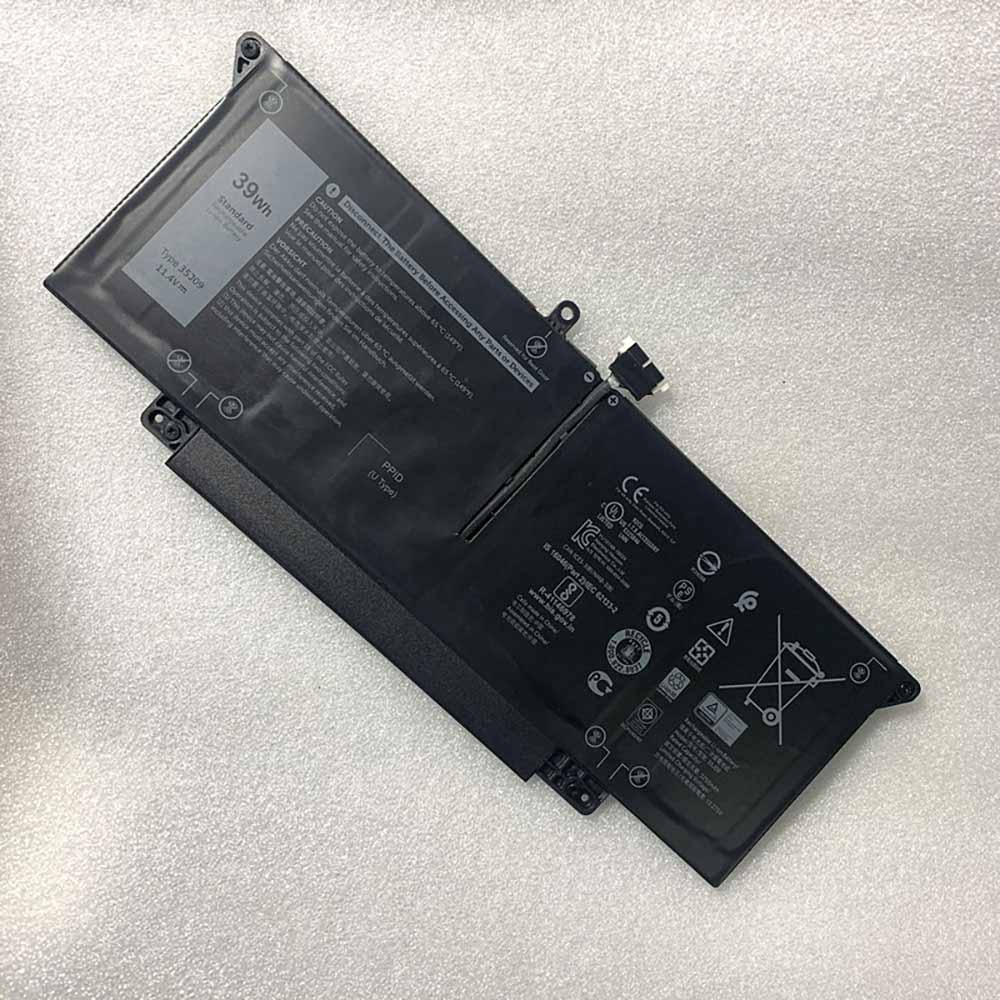 Product SpecificationsBrand: Dell Laptop BatteryBattery Type: Li-ionBattery Voltage: 11.4VBattery Capacity: 3225mahWarranty: 30 Days Money Back, 1 Year Warranty.Over 500-800 times of charge and discharge.Compatible Part Numbers:
Compatible Models:Dell Latitude 7310 7410As a professional manufacturer, we offer a 100% brand new Li-ion battery for Dell 35J09, built with genuine Grade A cells to ensure high quality and stable performance. Certified by CE, ROHS, and MSDS, this battery delivers excellent discharge characteristics and supports over 500–800 charge cycles.It is fully compatible with original Fujitsu equipment and features multiple built-in protections including over-charge, over-current, over-voltage, and short-circuit prevention. Designed with an advanced printed circuit board (PCB), it provides reliable and safe operation.Backed by a one-year warranty, 30-day money-back guarantee, and 100% secure shopping assurance, we provide premium performance at a competitive price.To ensure optimal performance and longevity of your Dell 35J09 Battery, please adhere to the following guidelines:1.Storage - Store the battery 35J09 in a clean, dry, and cool environment, away from heat sources and metal objects. During storage, the battery will gradually self-discharge. It is recommended to store it at approximately 40% state of charge.2.Charging and Discharging - Unlike older battery technologies, lithium-ion batteries do not require frequent full discharge cycles. Only perform a full discharge approximately every 30 charging cycles. Avoid charging the battery beyond its specified threshold voltage.3.Regular Use - Avoid leaving the battery 35J09 idle for extended periods. It is advisable to use the battery at least once every two to three weeks. If the battery has been unused for a long time, follow the initial break-in procedure as recommended for new batteries.4.Calibration - If the battery indicator shows 76% or less during use, fully charge it, then fully discharge it, and finally recharge it completely to calibrate the battery level accuracy.5.Usage on Fixed Power - Consider removing the battery from the laptop when using a fixed power source for extended periods to reduce unnecessary charging cycles.6.Short-Circuit Prevention - Do not short-circuit the battery, as this can cause serious damage and compromise safety.By following these practices, you can help maintain the performance and extend the life of your Dell 35J09 Battery.
Product SpecificationsBrand: Dell Laptop BatteryBattery Type: Li-ionBattery Voltage: 11.4VBattery Capacity: 3225mahWarranty: 30 Days Money Back, 1 Year Warranty.Over 500-800 times of charge and discharge.Compatible Part Numbers:
Compatible Models:Dell Latitude 7310 7410As a professional manufacturer, we offer a 100% brand new Li-ion battery for Dell 35J09, built with genuine Grade A cells to ensure high quality and stable performance. Certified by CE, ROHS, and MSDS, this battery delivers excellent discharge characteristics and supports over 500–800 charge cycles.It is fully compatible with original Fujitsu equipment and features multiple built-in protections including over-charge, over-current, over-voltage, and short-circuit prevention. Designed with an advanced printed circuit board (PCB), it provides reliable and safe operation.Backed by a one-year warranty, 30-day money-back guarantee, and 100% secure shopping assurance, we provide premium performance at a competitive price.To ensure optimal performance and longevity of your Dell 35J09 Battery, please adhere to the following guidelines:1.Storage - Store the battery 35J09 in a clean, dry, and cool environment, away from heat sources and metal objects. During storage, the battery will gradually self-discharge. It is recommended to store it at approximately 40% state of charge.2.Charging and Discharging - Unlike older battery technologies, lithium-ion batteries do not require frequent full discharge cycles. Only perform a full discharge approximately every 30 charging cycles. Avoid charging the battery beyond its specified threshold voltage.3.Regular Use - Avoid leaving the battery 35J09 idle for extended periods. It is advisable to use the battery at least once every two to three weeks. If the battery has been unused for a long time, follow the initial break-in procedure as recommended for new batteries.4.Calibration - If the battery indicator shows 76% or less during use, fully charge it, then fully discharge it, and finally recharge it completely to calibrate the battery level accuracy.5.Usage on Fixed Power - Consider removing the battery from the laptop when using a fixed power source for extended periods to reduce unnecessary charging cycles.6.Short-Circuit Prevention - Do not short-circuit the battery, as this can cause serious damage and compromise safety.By following these practices, you can help maintain the performance and extend the life of your Dell 35J09 Battery.
-
78Wh 7146W Replacement Battery for Dell Latitude 7400 2-In-1
Our brand-new Laptop Battery compatible with Dell 7146W is engineered to deliver long-lasting and stable performance. It is designed to meet rigorous standards, ensuring full compatibility with devices such as the Dell Latitude 7400 2-In-1. This battery comes with a one-year warranty and has passed essential safety certifications including CE, RoHS, and ISO9001. Choose our Dell 7146W battery for a power solution that combines quality, safety, and convenience. Invest in authentic performance and keep your Dell Latitude 7400 2-In-1 running like new.
78Wh 7146W Replacement Battery for Dell Latitude 7400 2-In-1
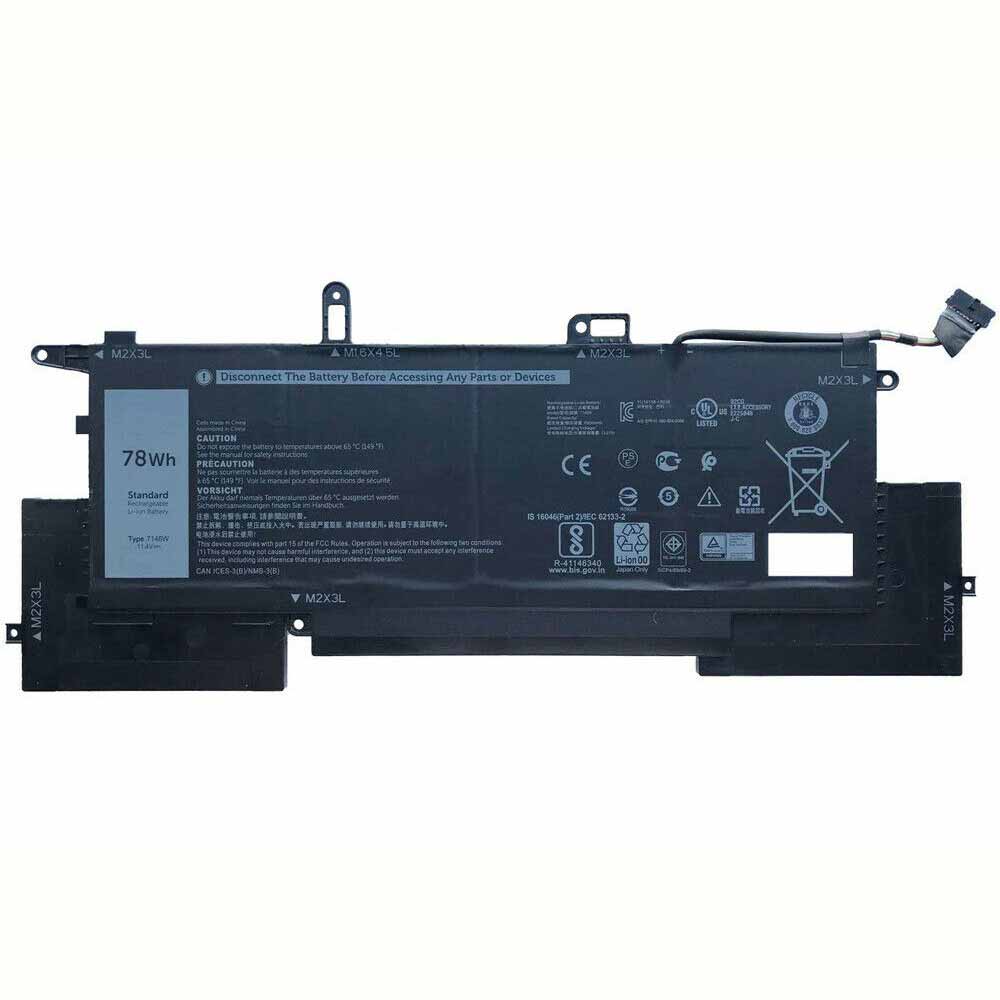 Product SpecificationsBrand: Dell Laptop BatteryBattery Type: Li-ionBattery Voltage: 11.4VBattery Capacity: 78WhWarranty: 30 Days Money Back, 1 Year Warranty.Over 500-800 times of charge and discharge.Compatible Part Numbers:
Compatible Models:Dell Latitude 7400Dell Latitude 7400 2-In-1As a professional manufacturer, we offer a 100% brand new Li-ion battery for Dell 7146W, built with genuine Grade A cells to ensure high quality and stable performance. Certified by CE, ROHS, and MSDS, this battery delivers excellent discharge characteristics and supports over 500–800 charge cycles.It is fully compatible with original Fujitsu equipment and features multiple built-in protections including over-charge, over-current, over-voltage, and short-circuit prevention. Designed with an advanced printed circuit board (PCB), it provides reliable and safe operation.Backed by a one-year warranty, 30-day money-back guarantee, and 100% secure shopping assurance, we provide premium performance at a competitive price.To ensure optimal performance and longevity of your Dell 7146W Battery, please adhere to the following guidelines:1.Storage - Store the battery 7146W in a clean, dry, and cool environment, away from heat sources and metal objects. During storage, the battery will gradually self-discharge. It is recommended to store it at approximately 40% state of charge.2.Charging and Discharging - Unlike older battery technologies, lithium-ion batteries do not require frequent full discharge cycles. Only perform a full discharge approximately every 30 charging cycles. Avoid charging the battery beyond its specified threshold voltage.3.Regular Use - Avoid leaving the battery 7146W idle for extended periods. It is advisable to use the battery at least once every two to three weeks. If the battery has been unused for a long time, follow the initial break-in procedure as recommended for new batteries.4.Calibration - If the battery indicator shows 76% or less during use, fully charge it, then fully discharge it, and finally recharge it completely to calibrate the battery level accuracy.5.Usage on Fixed Power - Consider removing the battery from the laptop when using a fixed power source for extended periods to reduce unnecessary charging cycles.6.Short-Circuit Prevention - Do not short-circuit the battery, as this can cause serious damage and compromise safety.By following these practices, you can help maintain the performance and extend the life of your Dell 7146W Battery.
Product SpecificationsBrand: Dell Laptop BatteryBattery Type: Li-ionBattery Voltage: 11.4VBattery Capacity: 78WhWarranty: 30 Days Money Back, 1 Year Warranty.Over 500-800 times of charge and discharge.Compatible Part Numbers:
Compatible Models:Dell Latitude 7400Dell Latitude 7400 2-In-1As a professional manufacturer, we offer a 100% brand new Li-ion battery for Dell 7146W, built with genuine Grade A cells to ensure high quality and stable performance. Certified by CE, ROHS, and MSDS, this battery delivers excellent discharge characteristics and supports over 500–800 charge cycles.It is fully compatible with original Fujitsu equipment and features multiple built-in protections including over-charge, over-current, over-voltage, and short-circuit prevention. Designed with an advanced printed circuit board (PCB), it provides reliable and safe operation.Backed by a one-year warranty, 30-day money-back guarantee, and 100% secure shopping assurance, we provide premium performance at a competitive price.To ensure optimal performance and longevity of your Dell 7146W Battery, please adhere to the following guidelines:1.Storage - Store the battery 7146W in a clean, dry, and cool environment, away from heat sources and metal objects. During storage, the battery will gradually self-discharge. It is recommended to store it at approximately 40% state of charge.2.Charging and Discharging - Unlike older battery technologies, lithium-ion batteries do not require frequent full discharge cycles. Only perform a full discharge approximately every 30 charging cycles. Avoid charging the battery beyond its specified threshold voltage.3.Regular Use - Avoid leaving the battery 7146W idle for extended periods. It is advisable to use the battery at least once every two to three weeks. If the battery has been unused for a long time, follow the initial break-in procedure as recommended for new batteries.4.Calibration - If the battery indicator shows 76% or less during use, fully charge it, then fully discharge it, and finally recharge it completely to calibrate the battery level accuracy.5.Usage on Fixed Power - Consider removing the battery from the laptop when using a fixed power source for extended periods to reduce unnecessary charging cycles.6.Short-Circuit Prevention - Do not short-circuit the battery, as this can cause serious damage and compromise safety.By following these practices, you can help maintain the performance and extend the life of your Dell 7146W Battery.
最新記事
(09/04)
(09/04)
(09/04)
(09/04)
(09/03)