
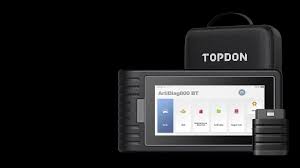
In the hands of a skilled technician, a diagnostic tool is more than a code reader—it's a gateway to deeper understanding, efficiency, and profitability. The Topdon AD800BT ArtiDiag800BT has rapidly established itself as a formidable ally in workshops across the UK, renowned for its professional-grade capabilities that challenge far more expensive alternatives. But beyond its well-known strengths in full-system diagnostics and revolutionary ADAS calibration functionality, lies a suite of under-utilised features and smart practices that can transform your workflow. This article delves into the essential hidden functions and operational mastery every Topdon AD800BT ArtiDiag800BT user should possess.
Mastering the Foundation: Beyond Basic Code Scans
The core promise of the Topdon AD800BT ArtiDiag800BT is its powerful compatibility across Asian, European, and American vehicles. However, true proficiency begins with moving past generic OBD-II scans. The tool’s OE-level software packages allow for deep communication with a vehicle's individual control modules. Instead of just reading an engine fault, use the live data graphing function on specific PID (Parameter ID) data streams from the transmission or fuel system to observe irregularities in real-time. This approach turns a simple code check into a dynamic investigation, pinpointing intermittent issues that static codes often miss. For British technicians frequently facing a diverse mix of vehicles, from a common Ford to a sophisticated Jaguar, leveraging this depth is non-negotiable for a first-time fix.
Transforming Your Tablet into a Mobile Workshop Hub
The bluetooth-connected tablet or smartphone is the centrepiece of the Topdon AD800BT ArtiDiag800BT experience, offering outstanding portability and a large-screen operational experience. A key hidden advantage is the ability to use this setup for simultaneous tasks. While a diagnostic sequence is running on one app, you can have the vehicle’s technical service bulletins (TSBs) or wiring diagrams open in another browser tab on the same tablet. Furthermore, consider investing in a rugged, hands-free tablet mount for your workshop trolley. This transforms your portable device into a fixed, yet mobile, information centre, keeping vital data and controls always in your sight and within reach, thereby drastically reducing downtime moving between the driver's seat and the workshop bench.
The Art of Efficient ADAS Calibration Workflow
The professional ADAS calibration function is a headline feature, designed to circumvent the need for expensive dealership equipment. The hidden skill here lies in meticulous preparation and workflow. Before even powering on the Topdon AD800BT ArtiDiag800BT, ensure your workspace is laser-level and the vehicle meets all preconditions (tyre pressure, fuel level, correct ride height). Use the tool’s comprehensive guide to identify the exact calibration targets and procedures for the specific model—whether it's a Vauxhall Corsa or a Range Rover. The system often provides detailed environmental requirements; adhering to these strictly prevents failed calibrations and repeat work. Documenting the process with photos using your tablet not only creates a record for the customer but also builds a valuable internal knowledge base for your team.
Leveraging Hidden Data Logging and Reporting
A less-discussed yet powerful feature is the data logging and report generation capability. The Topdon AD800BT ArtiDiag800BT can record live data streams over extended periods during a test drive. This is invaluable for diagnosing faults that only occur under specific driving conditions—a hesitation at a certain RPM, for example. Back in the workshop, this data can be analysed to spot anomalies. Moreover, generating a professional, branded diagnostic report from the findings adds tremendous value for your customer. It transforms your service from a simple repair into a transparent, expert consultation, building trust and justifying your work’s value.
Smart Use of Coding and Adaptations for Common Jobs
Beyond diagnostics, explore the tool’s utility in everyday service scenarios. The Topdon AD800BT ArtiDiag800BT can often perform adaptations and coding for routine tasks. This includes resets for service interval lights, throttle body adaptations, or window initialisation after a battery change. For more advanced users, coding new batteries (registering/adapting) on many BMW or Mercedes models is a frequent and chargeable service. Familiarising yourself with these "bread-and-butter" adaptation functions within the tool can streamline common jobs and add quick, profitable services to every vehicle visit.
Building a Personalised Quick-Access Menu
With access to so many vehicle systems, menu navigation can be streamlined. Spend time customising your most frequented functions. If you specialise in certain marques, like Volkswagen Group vehicles or Ford, you can often bookmark or shortcut the specific control modules you access daily. This creates a personalised workshop interface on your Topdon AD800BT ArtiDiag800BT, shaving valuable seconds off every interaction and making the diagnostic process feel seamless and intuitive.
Ensuring Peak Performance with Proactive Maintenance
Your diagnostic tool itself requires maintenance. A critical hidden tip is to manage the tool’s updates and cache proactively. Ensure your connected smartphone or tablet has ample storage and a stable internet connection for smooth software updates released by Topdon. These updates not only add new vehicle coverage but also refine existing functions and fix bugs. Periodically, clearing the app’s cache can also resolve minor connectivity or performance glitches, ensuring your Topdon AD800BT ArtiDiag800BT is always ready for action when you are.
Elevating Your Diagnostic Expertise
The Topdon AD800BT ArtiDiag800BT is a testament to how professional-grade technology has become accessible. Its powerful compatibility, specialist ADAS calibration tools, and smart bluetooth connectivity provide the foundation. However, it is the mastery of its deeper functions—the efficient workflows, the data-logging prowess, and the personalised setup—that separates a competent user from a true expert. By embracing these ten essential techniques, UK-based technicians and workshops can maximise their investment, enhance their service offering, and confidently tackle the complex diagnostic challenges of modern vehicles, securing a competitive edge in a demanding industry.


For the outdoor professional—the builder on a windswept site, the utility worker in a muddy trench, the forester in a relentless drizzle—a smartphone is more than a device; it's a critical piece of kit. Yet, all too often, it becomes the weakest link. The modern glass slate, for all its brilliance, is tragically unsuited to the realities of hard graft. This constant cycle of repair, replacement, and worry isn't just an annoyance; it's a significant, silent drain on your resources. The real question isn't about finding a slightly tougher smartphone, but about redefining what a work communication device should be. This is where a paradigm shift is needed, and it is perfectly embodied by the CAT Caterpillar B26.
Let's confront the economics head-on. The average outdoor worker isn't gently placing their phone on a desk; it's subjected to daily trials. A slip from a ladder onto concrete, a splash into a puddle, a tumble from a pocket onto gravel—these are not misfortunes but occupational hazards. The cost of replacing a flagship smartphone screen can easily exceed £250. A full device replacement runs into hundreds. When moisture seeps into ports, repair bills mount. Over a year, it's not uncommon for individuals in demanding roles to go through multiple devices or incur repeated repair costs. This financial bleed is compounded by downtime—the hours lost travelling to repair shops, setting up a new device, or simply being unreachable. The hidden cost isn't just in pounds and pence, but in lost productivity and reliability.
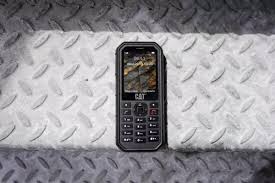
The CAT Caterpillar B26 represents a fundamentally different philosophy. It is not a compromised smartphone trying to be tough; it is a purpose-built communication tool engineered from the ground up for survival. Its design speaks a language of pure utility. The device meets military-grade standards for shock, vibration, and temperature extremes, and boasts an IP68 rating, meaning it can withstand immersion in water and be completely protected against dust. Its rubberised armour and reinforced corners are designed to dissipate impact, ensuring that a 1.8-metre drop onto hard ground is a mere footnote in its day, not a catastrophic failure. This isn't about marketing hyperbole; it's about a construction that aligns with the brutal honesty of a work site.
So, let's return to the pivotal comparison: one CAT Caterpillar B26 versus three broken ordinary phones in a year. The arithmetic becomes compellingly simple. The investment in a single, ultra-durable device eliminates the cycle of accidental damage bills. You remove the predictable, recurring expense of screen replacements, water damage repairs, and outright replacements. The CAT Caterpillar B26 transforms your communication cost from a variable, unpredictable liability into a fixed, one-time capital investment. This economic advantage is profound, offering not just savings but financial predictability for self-employed tradespeople and cost-conscious managers alike. The return on investment is measured in peace of mind and uninterrupted service.
The value proposition of the CAT Caterpillar B26 extends far beyond its indestructible shell. Its features are curated for utility in the field. The legendary battery life is a cornerstone; with up to 18 days of standby, it laughs at the nightly charge anxiety of smartphones. You can head to a remote site for days without needing a power bank. The physical keypad, large and tactile, can be operated with gloved hands—a simple yet critical advantage in cold or wet conditions. The bright LED torch is powerful enough to illuminate a utility box or a path, and the loud, clear speaker ensures calls are heard over machinery. For emergencies, features like an SOS mode can be configured to alert contacts with your location. It strips away the distracting, battery-hungry complexities of a smartphone to deliver pure, reliable communication and utility.
The needs of the UK's outdoor workforce are unique. Our work continues through driving rain, thick mud, freezing mornings, and bustling, gritty building sites. A device that thrives here proves its mettle globally. The CAT Caterpillar B26, with its unwavering performance, aligns perfectly with the steadfast, "get-the-job-done" spirit prevalent across British industries. It respects the practical nature of its users, offering no-nonsense durability that stands up to the British climate and the physical demands of sectors from construction and agriculture to logistics and outdoor event management. It is a tool that matches the resilience of the people who wield it.
In the end, the choice is a matter of professional philosophy. You wouldn't bring a delicate tool to a heavy-duty job, so why apply that logic to your vital link for calls, coordination, and safety? Opting for the CAT Caterpillar B26 is a conscious decision to prioritise absolute reliability over transient technological trends. It is an investment in eliminating a point of failure, in saving money, and in equipping yourself with a device that works as hard as you do. In a world of planned obsolescence and fragile glass, it stands as a testament to durable, purposeful design. Choose the tool built for your world, and never let a broken phone disrupt your work again.
.jpg)